


How to Tell If Your Pool Pump Is Failing (Before It Breaks Completely)
Why Knowing the Signs of Pool Pump Failure Matters
Your pool pump is the heart of your pool’s circulation system. Without it, water doesn’t flow, filters can’t clean, and your crystal-clear pool can quickly turn into a murky mess.
Pool pumps rarely fail all at once. Instead, they give subtle warning signs such as strange noises, leaks, or reduced water flow that many pool owners overlook. Ignoring these red flags can lead to a complete breakdown, costly emergency repairs, and even damage to other pool systems.
The good news is that if you know what to look for, you can catch pump problems early, schedule a quick pool pump repair, and keep your swimming pool in perfect shape all season long. Let’s dive into the five most common signs of pool pump trouble and why acting early can save you thousands.
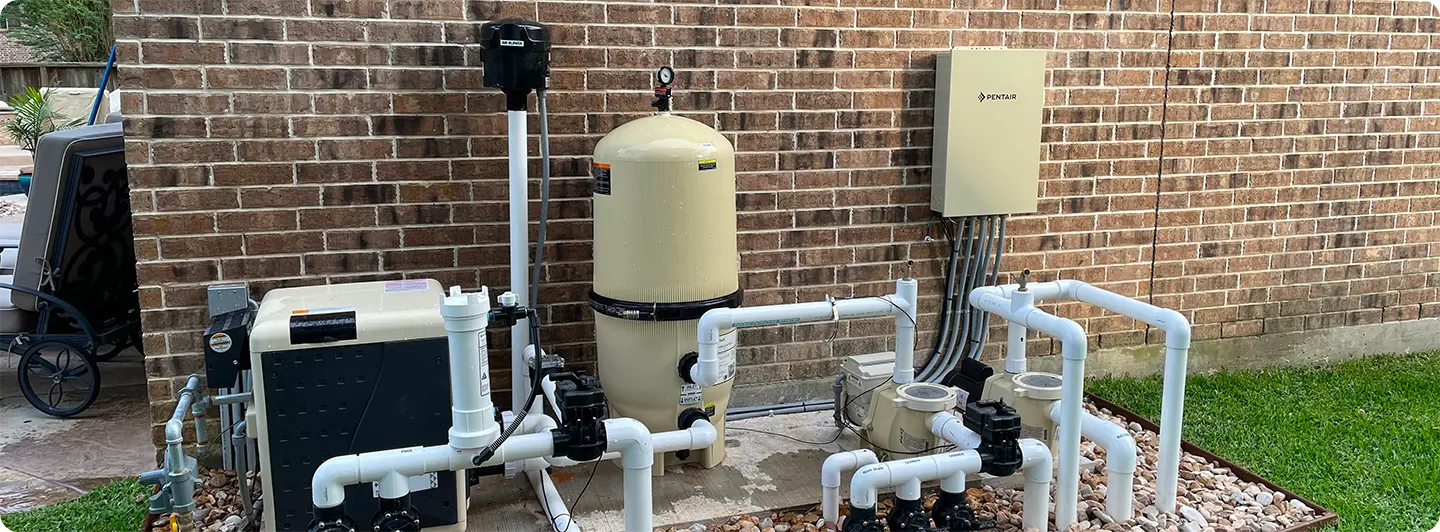
5 Signs Your Pool Pump Is in Trouble

1. Unusual or Loud Noises (Grinding, Screeching, or Rattling)
If your pump has suddenly started sounding like a lawnmower with a bad attitude, it’s time to pay attention. Grinding or screeching noises often mean the motor bearings are worn, while rattling could be caused by loose components or debris stuck in the impeller.
A healthy pump should hum steadily. If yours is making a racket, those bearings will not fix themselves, and running the pump in this condition can cause permanent motor damage.

2. Low or Fluctuating Water Pressure
Have you noticed your pool jets seem weaker than usual? Low pressure often signals a clogged impeller, a blocked skimmer basket, or a leak in the suction line. Fluctuating pressure could also mean the pump is struggling to maintain prime.
If you are asking yourself, “ Why is my pool pump losing pressure? ”, the answer is usually a mechanical or flow-related issue that a professional can diagnose quickly.

3. Visible Leaks Around the Pump
Water pooling beneath your pump is a warning sign you should never ignore. Seals, O-rings, and gaskets naturally wear out over time, and even a small leak can let water seep into the motor housing or electrical components.
If left alone, that little drip can cause rust, corrosion, and complete pump failure, turning what could have been a simple part replacement into a full pump replacement.

4. Motor Overheating or Shutting Off
Your pump motor works hard, but it should never be hot enough to burn your hand. Overheating is often caused by poor ventilation, clogged cooling fans, or electrical problems.
If the pump shuts off on its own, it is likely triggering its internal thermal overload protector, a safety feature that is telling you something is wrong. Running the pump under these conditions risks damaging the motor completely.

Reduced Water Circulation or Dirty Pool
If your pool water is not circulating well, you will see more debris settling on the bottom and cloudy water despite regular cleaning. Poor circulation puts extra strain on your filter system, shortens the lifespan of your equipment, and makes it harder to keep your pool healthy.
A failing pump often cannot maintain the steady flow needed for proper filtration, so your clean, safe swimming environment is at risk.
Why Early Fixes Save You Thousands
When it comes to pool pump maintenance, waiting until “next month” can be a costly mistake. Here is why acting quickly matters:
- Cheaper repairs now vs. costly replacements later: Replacing a worn seal costs far less than installing a whole new pump.
- Preventing collateral damage: A failing pump can damage your pool filter, heater, and plumbing.
- Lower energy bills: Struggling pumps run longer and use more electricity.
- Avoiding emergency service fees: Scheduling maintenance is always less expensive than paying for urgent, last-minute repairs.
Think of your pool pump like your car’s engine. You would not ignore a strange noise under the hood, and the same principle applies here. Early intervention saves money and stress.
Considering Pump Repairs vs. Upgrades
Sometimes, a quick pool pump repair is all you need. But in other cases, especially if your pump is over eight years old, it might be smarter to invest in a replacement or upgrade.
- When to repair: Minor leaks, bearing replacements, or small electrical fixes.
- When to replace: Major motor failure, cracked pump housing, or frequent breakdowns.
If you are already facing a replacement, it is worth looking into energy-efficient, variable-speed pumps. These modern pumps run quieter, cost less to operate, and last longer.
And why stop there? Many homeowners are upgrading their pool equipment to include:
- Automation systems: Control your pump, heater, lights, and cleaning schedule from your phone.
- LED pool lighting: Energy-efficient and available in stunning colors for nighttime ambiance.
Both upgrades not only improve your pool experience but also increase your property value.
How a Professional Diagnostic Visit Helps
Even if you are pretty handy, pool pump troubleshooting is best left to a licensed pool technician, especially when electrical components are involved.
During a professional diagnostic visit, a technician will:
- Check for leaks, worn seals, and faulty connections.
- Test motor function, pressure levels, and prime stability.
- Inspect impellers, baskets, and plumbing for blockages.
- Recommend repair or upgrade options personalized to your pool’s needs.
Choosing a local pool company with licensed and experienced repair technicians ensures your pump is fixed right the first time, saving you money and downtime.
Protect Your Pool and Schedule a Pump Diagnostic Today
A failing pool pump is more than an inconvenience. It can put your entire pool system at risk. Whether it is loud noises, low pressure, leaks, overheating, or poor circulation, the earlier you act, the more you save.
Your pool should be a place of relaxation, not stress. Protect your investment and keep swim season worry-free by catching problems before they turn into major repairs.
Schedule your professional pool pump diagnostic today and let our expert technicians restore your pump’s performance, improve efficiency, and give you peace of mind before peak swim season hits.