


Green Pool? Here’s the Fastest Way to Bring It Back to Life
Why Pool Water Turns Green and How to Fix It Fast
It’s Saturday morning. You’re ready for a relaxing day by the pool, iced tea in hand, sunscreen ready to apply. You walk outside and see it: murky, swampy green water. Instead of sparkling blue, you’ve got a backyard lagoon.
Don’t panic. A green pool can be frustrating, but it is far from a lost cause. With the right green to clean pool service approach, you can transform your water back to crystal clear quickly and safely. Whether it is a light green tint or a full-blown algae bloom, here is what causes it, how to fix it, and how to keep it from happening again.
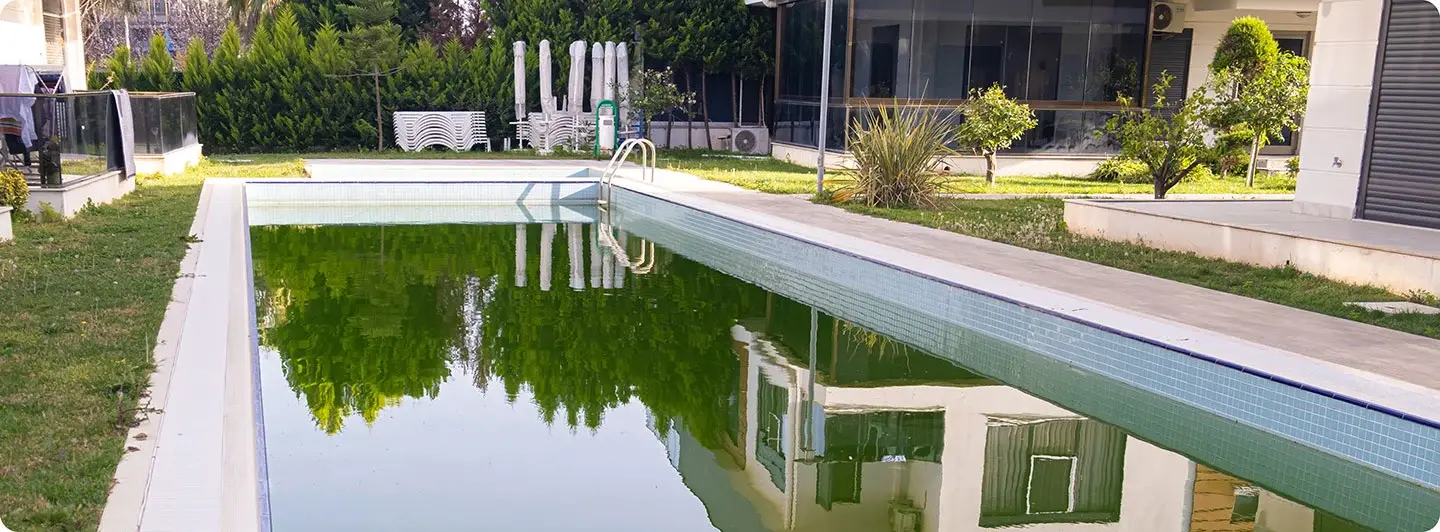
Common Causes of Green Water in Your Pool
When pool water turns green, the culprit is almost always algae, but algae can take over for many reasons. Understanding the source will help you prevent future problems.

The Role of Algae in Green Pools
Algae are microscopic plant-like organisms that thrive in warm, still, untreated water. Once they find a foothold, they multiply fast, sometimes overnight. Common triggers include:
- Low or no chlorine levels
- Imbalanced pH or alkalinity
- Poor water circulation
Even if you are consistent with pool maintenance, just a few days of imbalance can give algae the opening they need.

Environmental Factors That Fuel Algae Growth
Sometimes, Mother Nature is to blame for that green water. Factors like:
- Heavy rainfall that dilutes chlorine
- Pollen and debris falling into the water
- Heatwaves that warm up the pool water
All of these can speed up algae growth, especially if your pool chemicals are not adjusted afterward.

Equipment or Maintenance Issues
A broken pump or clogged filter can keep water from circulating properly, creating areas where algae thrive. Skipped cleanings or incorrect chemical dosing can also lead to green water trouble.
Green to Clean: Step-by-Step Pool Recovery Process
If you want to remove algae from your pool quickly and effectively, here is the proven process professionals use.
Step 1 – Test & Balance Your Pool Water
Before adding chemicals, you need accurate readings for pH, alkalinity, and chlorine. Ideally:
- pH should be between 7.2 and 7.6
- Alkalinity between 80–120 ppm
- Chlorine levels at 1–3 ppm for normal operation (you will raise it during shock)

Step 2 – Shock the Pool
Shocking means adding a high dose of chlorine to kill algae. For mild blooms, a single shock may do the trick. For heavy infestations, you may need to shock multiple times over several days.
Pro tip: Shock in the evening or at night so sunlight does not burn off the chlorine before it can do its job.

Step 3 – Brush, Vacuum, and Filter
Once algae are dead, they will turn gray or white and settle on pool surfaces. That is your cue to:
- Brush walls, floors, and steps to loosen debris
- Vacuum to waste if possible (so you are not clogging your filter)
- Run your pump continuously for 24–48 hours
This step is essential for fast green pool recovery. Dead algae left behind can cause cloudy water or regrowth.

Step 4 – Specialty Treatments
If stubborn green patches remain, an algaecide can help finish the job. A flocculant may also be used to clump fine particles together so they can be vacuumed out more easily.

Step 5 – Final Clean & Polish
Once the water looks clear, clean your filter thoroughly, whether that is backwashing a sand filter or rinsing out cartridges. Test your water again to make sure chemical levels are safe for swimming.
Algae vs. Stains: Know the Difference
Not all green discoloration is algae. Sometimes what you think is algae might actually be a stain. Knowing the difference saves you time and money.
Signs it is algae:
- Slimy or fuzzy texture
- Can be brushed off the surface (though it may return)
- Spreads quickly
Signs it is a stain:
- Feels smooth, not slimy
- Does not brush away easily
- Color may be more yellow-green, brown, or black
Metal stains from copper or iron and organic stains from leaves can require more than just shock treatment. In these cases, a chemical washing or even a professional acid wash pool service might be necessary to restore your pool’s finish.
Prevention is Key: How to Avoid Green Pool Water
Once your pool is clean, the goal is to keep it that way. Consistent maintenance will prevent algae from making a comeback.
Here’s what works best:
- Weekly pool service to check and balance chemicals
- Skimming and brushing to remove debris before it breaks down
- Running your pump at least 8–12 hours a day during swim season
- Cleaning filters regularly to keep water circulating efficiently
Seasonal weather changes also call for extra attention. After storms or heatwaves, test your water and make adjustments right away. If you ever see a faint green tint returning, act fast. Small algae problems are much easier and cheaper to fix than full blooms.
Why Professional Green Pool Cleaning Makes a Difference
While DIY methods can work, a professional pool algae removal service is faster, more thorough, and safer for your pool equipment. Experts have the right chemicals, dosing precision, and filtration techniques to get you swimming again in days instead of weeks.
If your green pool is caused by something more than algae, like metals in the water or structural issues, a trained eye will catch it before it becomes a costly repair.
Book Your Green to Clean Pool Service Today
A green pool can be an unwelcome surprise, but with the right approach, it is completely fixable. Whether you need a quick chlorine shock, specialized treatments, or a deep acid wash, you can bring your pool back to life and keep it that way.
Do not let algae steal your swim season. The fastest and safest way to clear your pool is to call in the pros who know exactly how to tackle any green to clean pool service challenge.
Call Township Pools today and book your pool recovery service so you can enjoy sparkling blue water again.